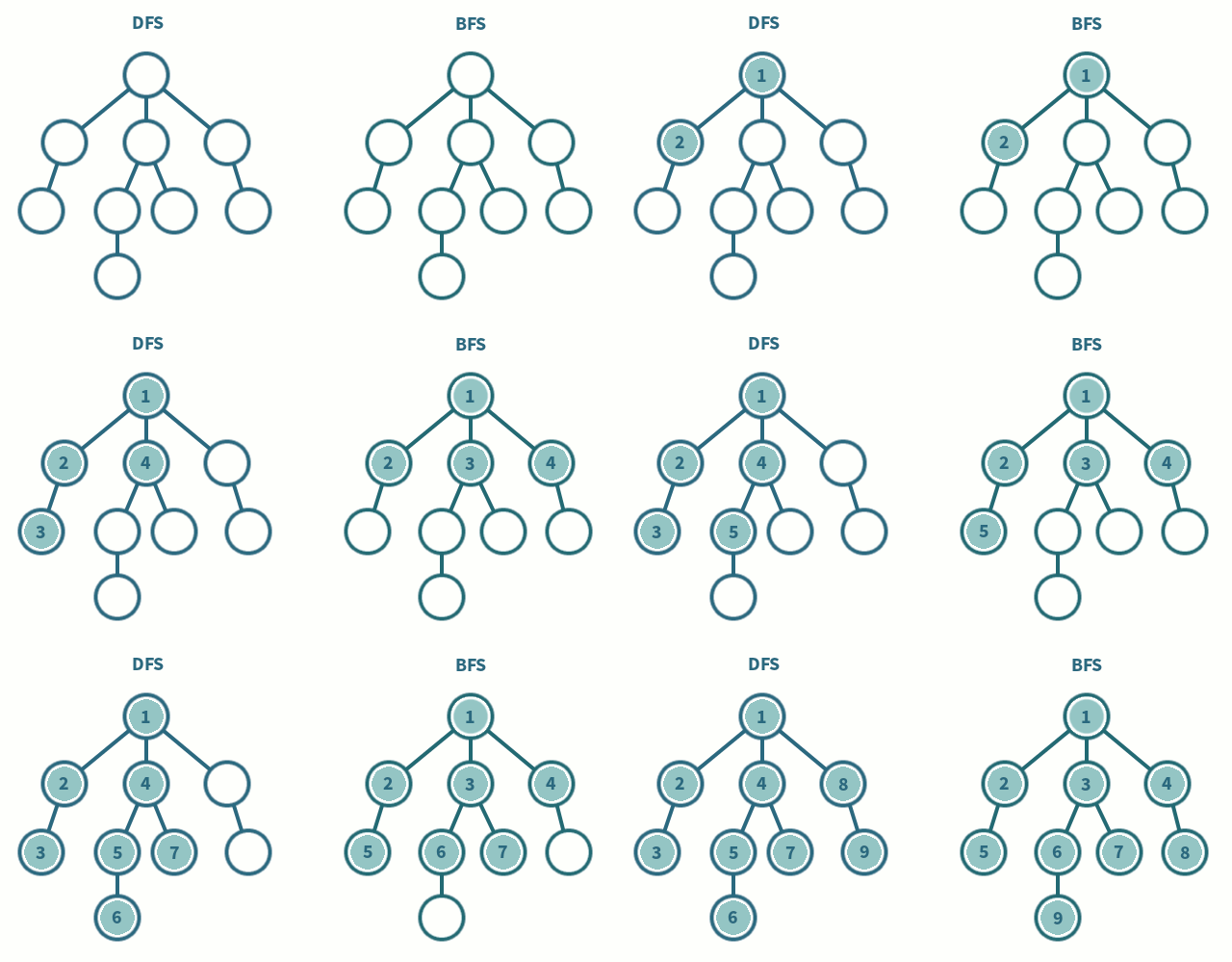
Tree Traversal
There are a few different ways to traverse trees. Each different type is used in different situations. Here are the common types of tree iterations
Depth-First Traversals (Preorder, Postorder and Inorder)

When to use
- Preorder
- You want to encounter roots before visiting leaves
- Postorder
- Use this when you want to visit both children before the parents
- You don't waste any time inspecting roots in search for leaves
- Inorder
- Gives the nodes from smallest to greatest, used to flatten the tree
BinaryTree.prototype.preorder = function(cb, node = this.head) {
  cb(node.value) // <--------------Preorder has cb at the beginning of the method

  if(node.left) {
    this.preorder(cb, node.left)
  }
  if(node.right) {
    this.preorder(cb, node.right)
  }
}

BinaryTree.prototype.postorder = function(cb, node = this.head) {
  if(node.left) {
    this.postorder(cb, node.left)
  }
  if(node.right) {
    this.postorder(cb, node.right)
  }

  cb(node.value) // <--------------Postorder has cb at the end of the method
}

BinaryTree.prototype.inorder = function(cb, node = this.head) {
  if(node.left) {
    this.inorder(cb, node.left)
  }

  cb(node.value) // <--------------Inorder has cb in the middle of the method


  if(node.right) {
    this.inorder(cb, node.right)
  }
}
Breadth-First Traversal (Level-Order Traversal)
- Breadth-first finds all nodes, one line at a time
- Use a queue instead of a stack to implement
BinaryTree.prototype.breadthFirst = function(cb) {
  let queue = [this.head]
  let n = null

  while(queue.length > 0) {
    n = queue.shift()
    cb(n)

    if(n.left) {
      queue.push(n.left)
    }
    if(n.right) {
      queue.push(n.right)
    }
  }
}